Faculty and Staff Highlights
Learn more about what the faculty and staff of the Center for Climate Change and Health Equity are up to and where to find their work.

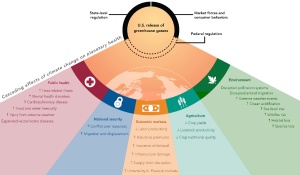
Center faculty, affiliate faculty, and staff collaborated to publish Stronger evidence, weaker protections: planetary health consequences of rescinding the US Environmental Protection Agency endangerment finding in The Lancet Planetary Health.
New York State Public Health Association 2026

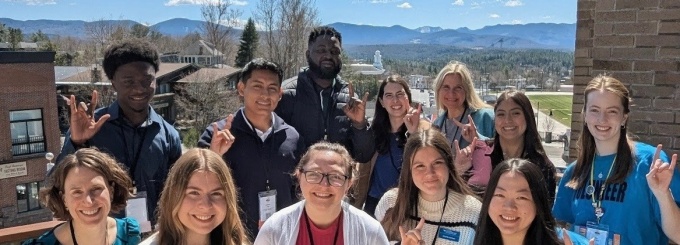
Ellie Madson represented the Center for Climate Change and Health Equity (CCCHE) New York State Public Health Association (NYSPHA) 2026 Annual Conference in Lake Placid, New York. The conference was attended by public health educators, academic staff, county health employees, students, and health practitioners from across the state of New York.
Western New York Environmental Alliance (WNYEA) Annual Congress Meeting

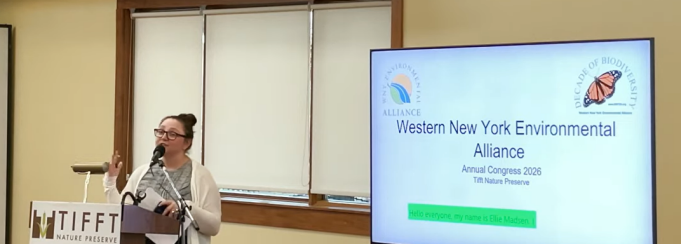
Ellie Madson represented the Center for Climate Change and Health Equity (CCCHE) at the Western New York Environmental Alliance (WNYEA) Annual Congress meeting in April. The WNYEA brings together academics, community members, and community organizations to promote environmental health, justice, and education. Information about the Annual Congress can be found at https://www.wnyea.org/2026-congress.html.
Climate Change and Emerging Contaminants: Risks and Responses in Asia and Beyond

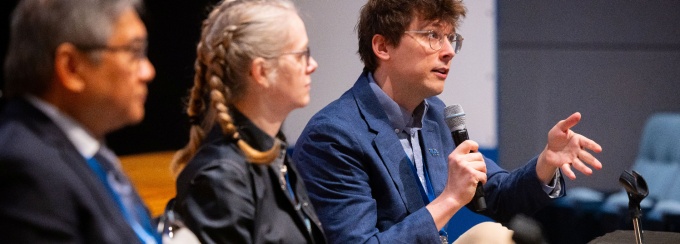
“Climate Change and Emerging Contaminants: Risks and Responses in Asia and Beyond” was a two-day event held in April 2026. The first day centered around speeches and discussion in the Screening Room of the Center for the Arts. The conference was organized by UB’s Asia Research Institute, RENEW Institute, Office of Global Health Initiatives and the Center for Climate Change and Health Equity.
CCCHE Faculty Dr. Josh Miller presented in the session "Addressing the Impacts of Water Scarcity and Environmental Justice" about his ongoing work on the intersections of WASH and Filipino youth.
The Enabling Program
Dr. Kristen Cowan joined the 2026 Fellows for the Enabling Program. This NSF-funded program at the Natural Hazards Center gives early career researchers the opportunity to develop their hazards and disaster research.
Faculty and Staff Highlights

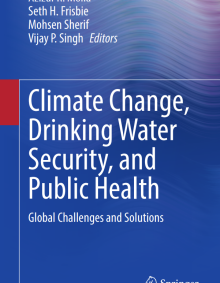
Ellie Madson was a co-author for the Climate Change, Drinking Water Security, and Public Health textbook published by Springer Nature. Madson co-authored the chapter titled "Climate Change, Drinking Water, and Public Health: An Integrated Review." Her portion of the chapter focused on how the changing climate is impacting the world of microbes. She explained the different types of diseases humans can contract from water, emerging and reemerging diseases, and One Health dynamics.
Science Exploration Day 2026

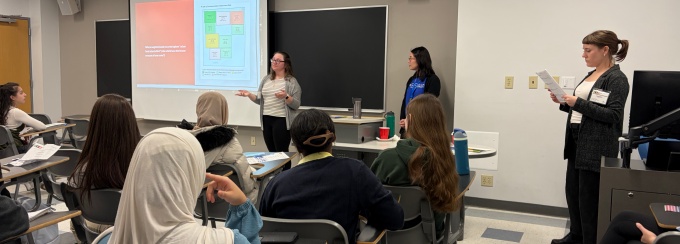
Dr. Shelby Yamamoto, Dr. Kristen Cowan, and Ellie Madson represented the Center for Climate Change and Health Equity at the University at Buffalo's Science Exploration Day. High School students from around the Western New York area were invited to UB's North Campus to explore various career and/or degree paths. The Center allowed students to be "disease detectives" by participating in an activity that centered around heat exposure and health disparities. Students had to determine which neighborhoods were being disproportionately impacted and why. The activity ended by educating them on different intervention initiatives and allowing them to see what it is to be a climate epidemiologist.
Wildfires & Health: From Research to Resilience

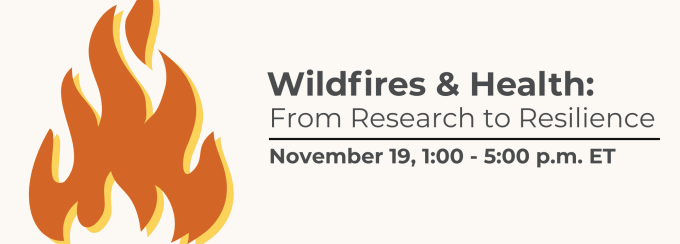
Dr. Cowan presented findings from her dissertation work titled “Wildfire smoke exposure and risk of hospitalization among people who are incarcerated in California and Oregon” at the Climate Cafe Research Coordinating Center event called “Wildfires and Health: From Research to Resilience” on November 19th. This half-day event was the second installment in their Extreme Weather half-day event series focusing on wildfires and public health. Dr. Cowan presented in a session focused on health impacts from wildfires, other speakers in this session spoke about topics including wildland-urban interface fires, birth outcomes associated with wildfire exposure and stroke risk associated with long-term wildfire smoke. To learn more about CAFE and look for other upcoming events visit their website https://www.climatehealthcafe.org/.
APHA Annual Meeting

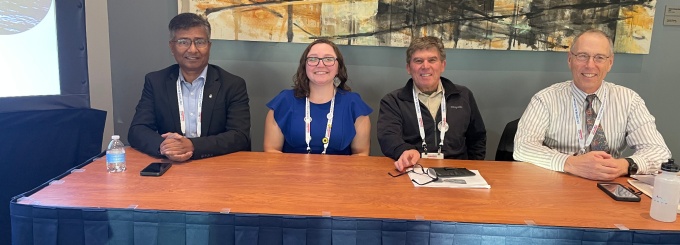
Ellie Madson, laboratory manager and project coordinator for CCCHE Director Kelly Baker, represented CCCHE at the 2025 American Public Health Association (APHA) Annual Meeting in Washington, DC (November 2–5). On November 4, she delivered a 15-minute talk as part of the session, Climate Change, Water, and Health. Her presentation, Temporal Changes in Microbial Composition of Private Well Water During Times of Drought and Flood in Iowa, highlighted her graduate research with Dr. Kelly Baker examining how climate-driven drought and flooding events may alter the microbial communities in private well water—an issue with significant implications for water safety and public health.
STEM Research Opportunity Fair

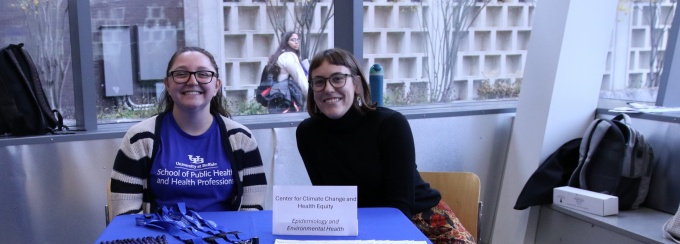
On October 30, 2025, Dr. Kristen Cowen and Ellie Madson represented the Center for Climate Change and Health Equity (CCCHE) at the STEM Research Opportunity Fair hosted by WiSE and CSTEP. They engaged with undergraduate and graduate students interested in exploring research projects and collaborations in the climate and health field. The event offered a valuable opportunity to explain how climate issues intersect with disciplines across STEM, helping students identify meaningful ways to apply their studies to climate and health challenges.
FoodWISE Asia Pacific Network

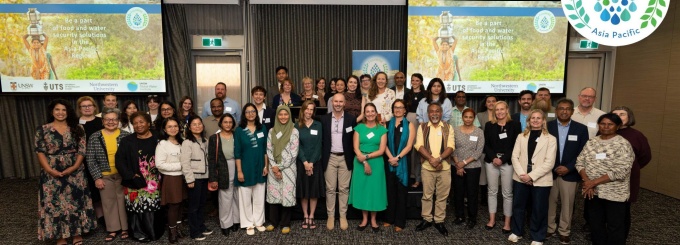
From September 17-19, more than 50 researchers, government officials, development partners, practitioners and community leaders from 15 countries convened to launch the FoodWISE Asia Pacific network – a community of practice dedicated to expanding the use of experiential tools to better understand how people acquire and use food and water, and to apply this knowledge to develop and advocate for strategies that promote equitable access to these essential resources.
The program included welcoming remarks, presentations and working sessions, as well as a full day focused on preparing scientific manuscripts and policy briefs. Discussions underscored the urgent need to address food and water challenges in the Asia Pacific region, particularly in the context of ongoing climate change. Aboriginal community members shared how the WISE Scales have enabled them to document local water issues and mobilize political will for action, after years of evidence on high salinity levels had failed to drive change.
Dr. Joshua Miller presented on ongoing work to develop tools for measuring the accessibility and adequacy of water, sanitation and hygiene (WASH) services in schools and healthcare facilities. Following the meeting, he has been in contact with UNICEF, WaterAid and other groups interested in piloting the tools to strengthen their monitoring and evaluation efforts.
He also contributed to a presentation from the nationally representative Longitudinal Cohort Study of the Filipino Child, showing that reliance on refilling stations for drinking water has more than doubled over the past decade among households with adolescents. Despite 98% of households reporting use of an “improved” water source (per WHO standards), about one in four experienced water insecurity, based on the experiential water insecurity scale his colleagues and he developed. These findings underscore the need to complement supply-side indicators with experiential measures to more comprehensively assess whether people are able to access and benefit from available water services.

Ellie Madson, laboratory manager and project coordinator for CCCHE Director Kelly Baker, represented the Center for Climate Change and Health Equity this year during Blue Path. She spent time with high schoolers interested in the health professions, talking about her journey to UB and giving them some hands-on lab experience!