Who We Are


The center's team is dedicated to empowering individuals, communities and institutions with the knowledge, resources and motivation to embrace environmental stewardship and protect the health of humans, animals and ecosystems—locally and globally. The center is looking for collaborators interested in addressing emerging climate issues.

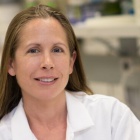
Kelly K. Baker, PhD, is an associate professor of epidemiology and environmental health and director of the Center for Climate Change and Health Equity at the University at Buffalo. Her research aims to identify and scale up practical interventions that prevent community transmission of enteric and antimicrobial-resistant infections between humans, animals and the environment, with a focus on ensuring the health of young children. Her funded research includes the development and testing of rapid diagnostics; evaluation of the impact of global development strategies on enteric and antimicrobial disease control; measuring the impact of flooding and drought on rural well water safety; and assessment of how climate-driven food and water insecurity affects maternal and child health.
Contact Kelly
Office: 168C Farber Hall
Phone: (716) 829-6738
Email: kkbaker@buffalo.edu


Kristen Cowan, PhD, MPH, joined the Department of Epidemiology and Environmental Health in 2025 as part of the Center for Climate Change and Health Equity. She specializes in environmental epidemiology, with research focused on climate hazards, environmental justice, and health disparities. Her dissertation examined the health impacts of wildfire smoke exposure on incarcerated populations. Cowan has held research roles at the CDC and EPA, and her work has been recognized with awards such as the Mary Fran Myers Award for Excellence in Disaster Research. She is passionate about translating research into policy and advancing health equity in the face of climate change.
Contact Kristen
Office: 168A Farber Hall
Phone: (716) 829-6257
Email: kncowan@buffalo.edu


Mark M. Janko, PhD, MSPH, is an assistant professor and is a part of the Center for Climate Change and Health Equity. Janko is an environmental and spatial epidemiologist, biostatistician and population health geographer whose research explores the complex relationships between land use, climate change, environmental variability and infectious disease dynamics. He specializes in collecting primary data and using hierarchical Bayesian spatio-temporal modeling to investigate how environmental and social factors influence the spread of vector-borne diseases such as malaria, as well as emerging infectious diseases.
Contact Mark
Office: 168D Farber Hall
Phone: (716) 829-3090
Email: markjank@buffalo.edu


Stephanie Keating Miller, MA, is the administrator for the Center for Climate Change and Health Equity. Miller comes with a strong background in the arts and has worked extensively in community outreach, education and programming. While she is new to the climate and health space, she brings her experience in community engagement and commitment to elevating community voices to her work at the center.
Contact Stephanie
Office: 168B Farber Hall
Phone: (716) 829-5388
Email: keatingm@buffalo.edu


Ellie Madson, MPH, is the laboratory manager and project coordinator for CCCHE Director Kelly Baker. Madson is from Iowa and graduated with her MPH in occupational and environmental health from the University of Iowa. In Iowa, Ellie worked with many environmental organizations such as the Iowa Natural Heritage Foundation, the Nature Conservancy, and the Iowa Department of Natural Resources. She has also been driven to look globally with her work. In the past few years, she has been able to conduct environmental research domestically, as well as in India, Bangladesh and Kenya.
Contact Ellie
Office: 115 Biomedical Research Building
Phone: (716) 829-6276
Email: elliemad@buffalo.edu


Joshua Miller joined the Department of Epidemiology and Environmental Health in 2025 as a member of the Center for Climate Change and Health Equity. His research examines how individuals perceive, experience, and respond to environmental challenges and resource insecurities, and how these dynamics affect nutrition, mental health, and chronic disease risk across the life course. His current work includes developing globally comparable, user-centered tools that assess water, sanitation, and hygiene (WASH) accessibility and sufficiency in households, schools, and health care facilities. These tools are being implemented in diverse settings to inform efforts to strengthen WASH services and advance climate resiliency and health equity.
Contact Josh
Office: 168 Farber Hall
Phone: (716) 829-2976
Email: jdm67@buffalo.edu


Shelby Yamamoto, Dr Sc Hum, is an associate professor in the Department of Epidemiology and Environmental Health in UB's School of Public Health and Health Professions. As an environmental epidemiologist, she focuses on investigating air pollution and climate change exposure, developing and exploring ways to capture climate change and air pollution-related vulnerability, assessing mitigation and adaptive capacity, and promoting community resilience across and within populations.
Contact Shelby
Office: 185 Farber Hall
Phone: (716) 829-5606
Email: ssyamamo@buffalo.edu


Kevin Boasiako is a public health student at the University at Buffalo with research interests at the intersection of climate change, environmental health, and health equity. He conducts research with the Center for Climate Change and Environmental Health in the Department of Epidemiology and Environmental Health, examining how climate-related stressors such as extreme cold, winter storms, and changing environmental conditions affect health outcomes across the lifespan, particularly among children, adults, and older adults in Buffalo, New York.
His current research focuses on the intersection of climate justice, education, and public health in Western New York, exploring how education can serve as a bridge to address systemic barriers and disparities in regional climate and health outcomes. Through literature review, community-informed focus groups, and collaborative research meetings, his work aims to identify opportunities for improving environmental and health equity. Kevin is committed to translating complex climate and health research into accessible information that supports community awareness, resilience, and informed action.

Tahmidul Haque, MBBS, MPH, is a PhD student in Epidemiology. He is a clinically trained physician from Bangladesh with about five years of experience in public health research. With an aim to preventing disease and promoting health, he has garnered expertise in conducting national and facility level cross-sectional, prospective cohort, surveillance, and evaluation studies. He has contributed to several research projects funded by US Department of Defense, US-CDC, USAID, Save the Children, The British Academy and other distinguished international development partners. His particular research interests are in climate sensitive zoonotic pathogens, emerging and re-emerging infections, outbreak detection and surveillance, infection prevention, One Health, and antimicrobial stewardship. He also has published multiple first and co-authored papers in reputed international peer-reviewed journals.


Niklas Hayden, MSc, is a doctoral student in the Department of Epidemiology and Environmental Health in UB's School of Public Health and Health Professions. His MSc thesis work focused on the impacts of environmental exposures on malaria infection in children under five in sub-Saharan Africa with a focus on Mali. His planned dissertation work seeks to apply spatial analysis and causal inference methods to conduct research focused on the impacts of climate change on vector-borne diseases in vulnerable populations in South America. Through his work in Dr. Shelby Yamamoto’s Climate Health and Environment Epidemiology Research Lab (CHEER), he has also led research projects tied to the ACCLIMATES project, which aims to devise health risk-based surveillance tools around different meteorological conditions and air pollution in relation to health risks among populations experiencing vulnerability, including children. For example, he was the analysis lead on a project on the development and application of risk and vulnerability indices to capture meteorological and air pollution impacts on health in Alberta, Canada.
College of Arts and Sciences
Department of Chemistry


Diana Aga, PhD, is the Henry Woodburn Professor of Chemistry and a State University of New York (SUNY) Distinguished Professor at UB, where she also serves as the Director of RENEW (Research and Education in eNergy, Environment and Water) Institute. An analytical chemist, her research involves studying the fate, transport, effects, and treatment of chemicals of emerging concern and persistent organic pollutants in the environment. She is an expert in developing trace analytical methods for organic contaminants in complex environmental matrices based on chromatography and mass spectrometry. Her research group, the Aga Lab for Environmental Research and Testing (ALERT), specializes in target and non-target analysis of contaminants in the environment, especially as to the identification of degradation products and novel forms of per- and polyfluoroalkyl substances (PFAS), also known as “Forever Chemicals.” She is also investigating factors that promote emergence of antibiotic resistance in the agroecosystems and municipal wastewater treatment plants, such as the exacerbating impacts of extreme weather events caused by the changing climate. Additionally, Dr. Aga evaluates the bioaccumulation and toxicity of environmental contaminants in humans, fish, and wildlife. Recipient of numerous awards and honors, Dr. Aga has received the National Science Foundation (NSF) CAREER award; the Alexander von Humboldt Foundation Research Fellowship; 2 Fulbright Fellowships; and, from the Society of Environmental Toxicology and Chemistry, the Menzie Environmental Education Award. The preeminent professional association for chemists, the American Chemical Society (ACS), has designated her a Fellow, as has the ACS AGRO Division; in 2017, she was awarded the Jacob F. Schoellkopf Medal by the Western New York Section of the ACS.
Department of Environment and Sustainability


Dr. Clark's expertise and experience span the topics of climate vulnerability, climate change adaptation, sustainable development, community resilience, and sustainability education. Clark’s current research focuses primarily on quantifying the social burden of power outages on households and communities due to natural disasters and extreme events as well as planning for extreme temperature events in New York State.


Marisa Manheim’s research sits at the intersection of environmental health, sustainability transitions, and community engagement, with a focus on how people experience and respond to environmental risks and proposed interventions. Trained as an interaction designer, she investigates how embodied approaches paired with participatory governance can support more equitable and effective responses to environmental challenges.
Manheim uses interviews, workshops, and design-based fieldwork to better understand how people navigate environmental risks in their daily lives. She co-leads the Urban Soil Co-Lab, which partners with community organizations to develop practical and creative ways to address soil pollution. Her earlier work examined why households and organizations may hesitate to adopt drinking water recycling and circular sanitation systems, showing how collaborative planning and hands-on experience can support more resilient water and food systems.
She holds a Ph.D. in Sustainability from Arizona State University and a Master’s degree in Human–Computer Interaction from Carnegie Mellon University. Through her research and teaching, Manheim contributes to CCCHE’s mission by advancing community-centered, justice-oriented approaches to climate, environmental, and public health challenges.
Department of Geography


Dust is an important component of the climate system as it has to the ability to alter precipitation patterns and surface temperature, is a key nutrient supply for much of the biosphere, and provides records of paleoclimate. Dust also matters in human environments, where it is a hazard to both health and transportation. As the most abundant aerosol in the atmosphere, dust is a major contributor to both PM10 and PM2.5. In many arid regions high PM concentrations are a chronic condition, while in semi-arid and agricultural regions dust and dust storms can be episodic and intense. In addition to the numerous health effects of PM exposure dust is also known to carry valley fever in the southwest US, cause heavy metal and chemical exposure from lakebed sediments, and leads to many traffic accidents from reduced visibility. Indirect health effects of dust include its effects on temperature and precipitation and thus the success of agriculture, particularly in regions of the world dependent on subsistence farming.
In studying windblown dust his research makes use of a wide variety of climate and weather datasets, including models, reanalysis, satellite observations, and station data. His work focuses on measures of variability in both space and time, and how we can understand both the causes and effects of that variability.
Jacobs School of Medicine and Biomedical Sciences


Christina L. Padgett DO, MHS, FAAP, is a board-certified physician in Internal Medicine and Pediatrics serving as an assistant clinical professor at the Jacobs School of Medicine and Biomedical Sciences and Director of Education at the Western New York Children's Environmental Health Center. She received her M.H.S. in Environmental Health from the Johns Hopkins University Bloomberg School of Public Health, where her thesis examined genetic susceptibility to arsenic-related bladder cancer. She completed medical school at the New York Institute of Technology College of Osteopathic Medicine and residency training in Internal Medicine-Pediatrics at the Jacobs School of Medicine and Biomedical Sciences.
She practices primary care with academic interests in climate change and environmental health education in undergraduate and graduate medical training. She developed and implemented a longitudinal climate change and health curriculum within pediatric residency, to improve trainee knowledge and engagement. As part of her role with the Western New York Children's Environmental Health Center, she collaborate with experts in environmental pediatrics and epidemiology to advocate for patients at the population level. She works to integrate clinical care, medical education, and advocacy to reduce environmental health disparities and strengthen physician preparedness in addressing climate-related health impacts.
School of Architecture and Planning


Mohamed Aly Etman, PhD is an architectural researcher and educator specializing in data-driven design, environmental resilience, and the built environment's impact on human health. As the founding director of the Building Environment Visualization Lab at the University at Buffalo's School of Architecture and Planning, his work integrates computational design, environmental modeling, and socio-ecological analytics to advance climate resilience and health equity.
At the Yale Center for Ecosystems in Architecture (CEA), Mohamed developed SEVA (Socio-Ecological Visual Analytics), a tool that synthesizes built environment data, human well-being metrics, and computational tools to inform sustainable design decisions. He also led the development of IDRO, an interactive platform for drought resilience, and contributed to a knowledge graph for climate adaptation and preparedness.
His work extends to global climate and health initiatives, collaborating with the United Nations Environment Programme (UNEP) on the World Environment Situation Room (WESR) and the Ecological Living Module (ELM) to demonstrate strategies for residential construction that provide high-quality, efficient, and flexible housing while supporting sustainable development. ELM was a pilot framework to integrate environmental data and track ecosystem resilience. Previously, he contributed to the HBGDki initiative, a Bill & Melinda Gates Foundation program using big data analytics to assess environmental and socio-economic factors on child health outcomes worldwide.
Holding an MArch II and PhD from Rensselaer Polytechnic Institute and a BSc and MSc from Cairo University, Mohamed's research continues to drive evidence-based solutions for climate adaptation, food systems resilience, and public health.


Alexandra Judelsohn, PhD, is an assistant professor in the UB Department of Urban and Regional Planning and Co-PI of the Food Systems Planning and Healthy Communities Lab. Her work centers on how we plan for and support differences in the city, and she pursues community-based research at the intersection of urban planning, public health, and environmental studies. She studies the institutional processes that either facilitate or hinder equitable and healthy communities in order to address the dearth of urban research on these themes. Fostering long-term relationships with community partners, Alex aims to answer questions relevant to community leaders and engage in meaningful work to improve needed support systems. Some of her current research projects examine issues of data equity, governance and representation, and environmental justice. Alex has published in numerous journals, including the Journal of the American Planning Association, Community Development, and Frontiers. She is a co-editor on a book, Planning for Equitable Urban Agriculture in the USA: Future Directions for a new Ethic in City Building. Alex earned her PhD in Urban and Regional Planning at the University of Michigan in 2023.
Contact Alexandra
Office: 232 Hayes Hall
Phone: (716) 829-5878
Email: ajudelso@buffalo.edu


Jordana Maisel, PhD, works at the intersection of research, teaching, and practice. She serves as associate dean for academic affairs in the School of Architecture and Planning at the University at Buffalo (UB), associate professor in the Department of Urban and Regional Planning, and director of the Center for Inclusive Design and Environmental Access (IDEA Center).
Her research focuses on examining, and improving through inclusive design, the relationship between the built environment and the physical, social, and psychological well-being of marginalized populations. She has extensive experience designing and conducting experimental studies in both laboratory and field settings; analyzing complex data; and capturing stakeholder perspectives through surveys, interviews, and focus groups. Her research spans public transportation, street infrastructure, post-occupancy evaluation, and accessible housing policy.
Dr. Maisel currently co-directs the Rehabilitation Engineering Research Center on Universal Design Applications (RERC-UDA), funded by the National Institute on Disability, Independent Living, and Rehabilitation Research (NIDILRR), and serves as co-PI on additional projects supported by NIDILRR, the U.S. Department of Transportation and the New Frontiers in Research Fund. One of these efforts focuses on “Addressing the Impacts of Climate Change on People with Disabilities.”
She is co-author of Goals of Universal Design; Universal Design: Creating Inclusive Environments (2012); Accessible Public Transportation (2018); and Inclusive Design: Implementation and Evaluation (2018), along with numerous peer-reviewed publications. Dr. Maisel earned her BS in Human Development from Cornell University and holds both a Master of Urban Planning and a PhD in Industrial and Systems Engineering from UB.
Contact Jordana
Jordana L. Maisel, PhD
Associate Dean for Academic Affairs,
Associate Professor
UB School of Architecture and Planning
Director, IDEA Center
(716) 829-5902
309 Hayes Hall
jlmaisel@buffalo.edu


Josh McClain, MUP is the Sustainability and Resiliency Planner at the UB Regional Institute and works with municipalities in Erie and Niagara Counties to develop plans and implement measures to increase climate change resilience, as well as on a region-wide planning initiative to identify key strategies for reducing regional greenhouse gas emissions.
Josh holds a Master of Urban Planning degree from the University at Buffalo, specializing in land use and environmental planning, and has professional/academic interests related to urban ecology, social infrastructure, and other modes of enhancing community and environmental resilience.
Prior to joining UBRI in 2023, Josh worked in the public health and human services fields for programs focused on reducing health disparities within Communities of Color and among People Who Use Drugs in Buffalo, NY. Previously he spent several years in rural Honduras working on sustainable agriculture and community development projects. These experiences continue to inform his work among communities in Western New York.


Nicholas B. Rajkovich, PhD is an Associate Professor and the Associate Dean for Research and Creative Practice in the School of Architecture and Planning at the University at Buffalo (UB). His work at the UB focuses on the intersection among climate impacts, climate adaptation, and equitable community development.
Nicholas recently served as the buildings sector co-chair for the New York State Climate Impacts Assessment, examining how the built environment of the Northeastern U.S. will need to adapt to climate change. He has managed several research projects through his Resilient Buildings Lab for organizations like the National Oceanic and Atmospheric Administration, the National Science Foundation, the New York State Energy Research and Development Authority, and the New York State Department of Environmental Conservation. With Seth Holmes of the Rochester Institute of Technology, he edited the book “Climate Adaptation and Resilience Across Scales: from Buildings to Cities” which is available from Routledge as an open access book.
Outside of research and writing, he has also supported professional organizations like the American Institute of Architects and the U.S. Green Building Council as they have incorporated adaptation and resilience into their programs and standards. He also works closely with community organizations like People United for Sustainable Housing (PUSH Buffalo) to advance energy efficiency and climate justice in Western New York.
Nick is a licensed architect, has a PhD in Urban and Regional Planning from the University of Michigan, a Master of Architecture from the University of Oregon, and a Bachelor of Architecture from Cornell University.


Bart Roberts, AICP is an urban planner and researcher who specializes in bringing together research and practice to advance projects related to sustainability, community development, and public participation. He is interim director of research and faculty engagement for the UB Regional Institute. Recently, Bart has served as UBRI’s point person for Rain Check—Buffalo Sewer Authority’s green infrastructure program, and Imagine LaSalle, the community engagement process guiding the Ralph C. Wilson, Jr. Foundation’s $50 million gift to transform LaSalle Park on Buffalo’s lower west side.
Having joined UBRI in 2009, Bart has worked on a wide range of projects focusing on diverse issues at various geographic scales. In 2011, Bart led the effort to secure a $2 million grant from the Federal Partnership for Sustainable Communities to launch One Region Forward, a regional planning effort to build tools and strategies for advancing sustainable development across Erie and Niagara counties. He continues to support that program, with planning advisement, research, community engagement, and local capacity building.
More recent projects Bart has led for UBRI include: directing research for the Greater Buffalo Racial Equity’s foundational study The Racial Equity Dividend: Buffalo’s Great Opportunity; overseeing the planning process for Tonawanda Tomorrow, a federally-funded economic development program preparing the Town in wake of the NRG Huntley coal-powered plant closure; launching the NYSERDA Clean Energy Communities technical assistance program for Buffalo Niagara municipalities; and managing the public engagement for Niagara Street Now, the City of Buffalo’s streetscape and green infrastructure transformation of a 3-mile long corridor that runs parallel to the Niagara River.
Prior to joining UBRI in 2009, Bart served as the lead analyst for the management accountability program CitiStat Buffalo, where he oversaw the development and analysis of performance metrics for services delivered by the City of Buffalo. Bart holds a bachelor’s degree in urban studies from Vassar College, and a master’s in urban planning from the University at Buffalo, where he received the Dean’s Certificate and Best Professional Project Award from the department.
A born and bred Buffalonian, Bart lives in Buffalo’s Parkside neighborhood with his wife Kristin and two sons Griffin and Brady. When not tackling home improvement projects or chasing the boys around the house, Bart enjoys playing soccer and ice hockey, tailgating at New Era Field, and relaxing on the beaches of Southern Ontario.
School of Engineering and Applied Sciences
Department of Civil, Structural and Environmental Engineering

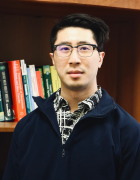
Dr. Boualavong is an engineer with training that spans biomedical, chemical, and environmental engineering. His work centers on electrified chemical separations processes as sustainable technologies for removing chemical hazards from industrial waste streams. He is interested not only in gaining fundamental mechanistic insights into how these technologies work to make them more effective at treatment but also in understanding the health risks of these chemical processes and the byproducts they produce throughout their lifecycles. Currently, he is focused on chemical separations technologies critical to climate mitigation and adaptation, from emerging approaches like carbon capture and storage to new chemical separations needs caused by the renewable energy transition like critical mineral recovery. His goal is to combine traditional energy efficiency and cost metrics with environmental health-based metrics into a holistic multi-objective optimization framework to support more holistic climate intervention decision-making. Recently, he has begun exploring metrics of evaluation more broadly by drawing on ethical-epistemic analysis, politics of measurement, and network science with the aim of understanding how network structures can provide insights into connections between ideas, ethical values, people, and technologies.
Department of Mechanical and Aerospace Engineering


Sangwoo Shin, PhD, is an associate professor in the Department of Mechanical and Aerospace Engineering at the University at Buffalo. His research focuses on understanding and controlling interfacial and transport processes in environmental and biological systems. In particular, his latest projects include enhancing chemotactic motility of soil bacteria to improve soil bioremediation, understanding the impact of PFAS on the morphology of lipid membranes, and the transport and fate of micro/nano plastics in soil.
School of Law


Kim Diana Connolly is a Professor of Law at the University at Buffalo School of Law, where she serves as Director of the Environmental Advocacy Clinic and Vice Dean for Innovation, Interdisciplinarity & Community Impact. She practices law alongside student attorneys on environmental health matters, climate resilience projects, and community-centered advocacy.
In her vice dean role, she leads cross-campus and community collaborations that connect scholars and practitioners, build bridges across disciplines, generate shared resources, and create new knowledge that advances climate-related health equity. She also co-chairs the Economic Impacts, Policy, Social & Equity Working Group of the SUNY-wide STRIVE Climate & Sustainability Research Task Force, helping guide system-level research on the social and health impacts of climate change.
Kim Diana has research that focuses on three CCCHE-related areas: (1) legal and policy responses to climate-driven exposures including disasters and resulting real-world legal and policy challenges; (2) reimagining governance and addressing inequities to support climate-health justice; and (3) developing evidence-based interventions that bolster resilience in frontline communities. She brings a justice-centered, collaborative approach to improving health and equity outcomes in a rapidly changing climate.
School of Public Health and Health Professions
Department of Epidemiology and Environmental Health


Gloria Aidoo-Frimpong, PhD, MPH, MA, is a public health researcher whose work centers on health equity and the intersections of social determinants, migration, and health outcomes among marginalized populations. With a background in HIV prevention among African immigrants, Aidoo-Frimpong is expanding her focus to explore how climate-related stressors influence health inequities, particularly in immigrant communities. Her interests lie in understanding the cascading effects of climate change—such as migration, displacement, and access to resources—on the social and structural factors shaping health behaviors and outcomes. By examining the interplay between environmental challenges and health disparities, she seeks to address the unique vulnerabilities faced by African immigrants navigating these intersecting challenges.
Aidoo-Frimpong’s approach is rooted in community engagement, leveraging partnerships with local organizations to ensure culturally responsive and sustainable solutions. Her research aligns with sustainable development goals aimed at reducing inequalities and fostering resilience in underserved populations. She is committed to advancing interdisciplinary research that bridges health equity and climate science, creating actionable knowledge to support vulnerable populations in adapting to global and environmental health challenges.
Contact Gloria
Office: 193 Farber Hall
Phone: (716) 829-5721
Email: gloriaai@buffalo.edu


Renee Cadzow, PhD, holds a faculty position in the Division of Health Services Policy and Practice. She is also co-director of UB’s Clinical and Translational Science Institute (CTSI) Recruitment and Special Populations core and holds a voluntary faculty appointment in the Department of Pediatrics. Dr. Cadzow researches healthcare access and health behaviors through an anthropological lens across the life course: from pregnancy and birth to older adults and end of life. Her mixed-methods, interdisciplinary work prioritizes active community participation and relevance and focuses on intersections of biology, environment, and culture. At the individual and community level, she is interested in facilitating family and community resiliency through participatory, empowerment approaches involving community health workers (CHWs) and restorative practices. This informs macro level systems and structural changes that engage community voices to address barriers and augment strengths for equitable access and experience of healthcare and healthy communities and ultimately health outcomes.
Contact Renee
Office: 268F Farber Hall
Phone: (716) 829-5368
Email: rcadzow@buffalo.edu


Dr. Marina Oktapodas Feiler is an epidemiologist specializing in pediatric environmental health and maternal-child research. Her work focuses on understanding how early-life exposures, from gestation through early childhood, shape critical developmental processes, including immunologic, neurodevelopmental, and reproductive outcomes. She is particularly interested in the distribution and determinants of environmental exposures, including lead, phthalates, PFAS, and air pollutants, and how these exposures contribute to health disparities in vulnerable populations. Dr. Feiler leads a dynamic research program called the Pediatric Environmental Development Studies (PEDS) Research Group supported by NIH, CDC, and State funding. Through the PEDS lab she mentors MPH, MS, and PhD students and is committed to active collaborations with interdisciplinary researchers, clinicians, and community partners.
Dr. Feiler employs rigorous observational study designs and advanced analytic methods to address complex questions at the intersection of environmental science, epidemiology, and health equity. Her research explores the mechanisms linking environmental exposures to immune dysfunction, integrating hormonal, nutritional, and immunologic pathways. Dr. Feiler is involved in national and international research, she is particularly interested in environmental exposures within disadvantaged populations, including urban, low-income settings in the United States. She also incorporated large medical record datasets into much of her work and utilizes advanced statistical techniques in dealing with complex medical datasets. She has pioneered studies on heavy metals and pediatric immune outcomes, linking exposures to increased infection risk, vaccine response, and atopic disease, and is expanding her work to examine breastfeeding behaviors and human milk quality, neighborhood-level factors, and respiratory health disparities.


Pauline Mendola, PhD, is a tenured professor and chair of the Department of Epidemiology and Environmental Health in the School of Public Health and Health Professions at the University at Buffalo. She has held leadership positions at the US EPA and the National Center for Health Statistics as well as serving as a Senior Investigator in the NICHD Intramural Research Program. Throughout her career, her research has focused on environmental factors that impact reproductive health with a strong focus on pregnancy complications and adverse pregnancy outcomes including the long-term health risks for pregnant people who experience those complications. Her research group has conducted novel studies of the impact of the ambient environment, particularly air pollution and extreme temperature, in relation to adverse outcomes of pregnancy such as stillbirth, maternal cardiovascular events at labor/delivery, preterm birth and measures of fetal growth. Her team was among the first to identify risks for integrated measures of adverse outcomes, such as newborn admission to neonatal intensive care. As a leader in the Environment and Reproduction Scientific Interest Group of the American Society for Reproductive Medicine, she has led roundtables on climate change and reproductive health as well as contributing commentary on the intergenerational impact of climate change on infertility.
Contact Pauline
Office: 270D Farber Hall
pmendola@buffalo.edu

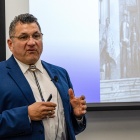
Dean S. Seneca, MPH, MCURP, serves as the CEO of Seneca Scientific Solutions+, a Public Health and Urban and Regional Planning LLC. In this position, he provides capacity building assistance for Tribal Nations, States, Regions, Cities and Territories in economic and community development that embraces the concepts of “healthy places for healthy people.” Services provided include public health policy, program, training & science; strategic/master planning; community, economic development; grant writing; architectural site planning & building design; performance programing; health research; data collection & management; and program evaluation. Areas of health expertise include epidemiology, chronic and infectious diseases, emergency preparedness and response, environmental health, social determinants, and global health. Mr. Seneca holds an adjunct position at the University of Buffalo, School of Public Health and Health Professions where he instructs a class on “Indigenous Health Disparities” and is considered a national subject matter expert. Previously, Mr. Seneca served as a Senior Health Scientist in the Partnership Support Unit within the Office for State, Tribal, Local and Territorial Support at the Centers for Disease Control and Prevention. His main responsibilities were to build CDC’s national public health partners ability to provide greater capacity building assistance to state, tribal, local, and territorial health departments. Mr. Seneca has over 20 years of experience in the field of infectious disease outbreaks having been a first responder to Anthrax, H1N1, Ebola, Zika and now Covid19. Before arriving to CDC, he held the position of Tribal Planning Director for the Seneca Nation of Indians. US Army Reserves, 3rd Medical Command, Company Commander, 345th Entomology Detachment, served until 2007. Received both of his master’s degree(s) from the University of Hawaii at Manoa.
Department of Exercise and Nutrition Sciences


Hayden Hess, PhD, ATC, CSCS, is trained to and has research expertise in identifying and understanding the implications of, and integrative physiological responses to, environmental stress in healthy and at-risk populations. His research goals are aimed at addressing imminent challenges to individual and public health through research in environmental physiology. Specifically, his current long-term research goal is to improve personal climate resilience in adults with obesity pertaining to the consequences of obesity on developing devastating health problems within the context climate change and kidney health.
Contact Hayden
Office: 103 Sherman Annex
Email: haydenhe@buffalo.edu


Riana Pryor, PhD, ATC, is an athletic trainer and exercise physiologist with expertise in the impact of extreme environments on human physiology. The goal of her research is to understand the impact of hot environments on thermoregulation and neuromuscular fatigue in active populations to create and compare intervention strategies to mitigate these negative health consequences. Her recent project explores the impact of age, sex, and other individual characteristics on how someone thermoregulates during a simulated heat wave. This will identify groups at greater risk of negative health consequences to specifically create tailored intervention strategies. In a separate project, Pryor collaborates with an interdisciplinary team to determine the strategies that individuals with mobility impairment utilize during extreme hot and cold weather conditions and their perceptions of these environments. She also investigates exertional heat illness prevention strategies such as hydration, work/rest cycles, and heat acclimation and intervention strategies such as body cooling to improve patient outcomes in geographically remote locations. Ultimately, Pryor’s work helps shape health and safety policies for community members and active populations such as workers and the military who experience extreme environments.
Contact Riana
Office: 104 Sherman Annex
Email: rpryor@buffalo.edu
Affiliate faculty members will have the opportunity to collaborate with colleagues from various disciplines, engage in groundbreaking research, apply for the Center’s pilot grants, be invited for one-to-one meetings with notable climate and health visiting scholars in guest seminars, and contribute to initiatives aimed at advancing health equity in the face of climate change. Their professional research and accomplishments will be featured on the Affiliate Faculty and Staff page of the center website with links to their contact information, bolstering their public outreach and partnership opportunities.
Additional benefits include:
- Opportunities to engage in transdisciplinary and cross-sectoral collaborations
- Opportunity to inform climate change and health practice and policy
- Participate in the development and growth of the CCCHE
- Invitations to CCCHE events and activities
- Opportunities to connect with other members of the CCCHE network
Stories You Should Know
Read the latest updates on CCCHE here.