UB researchers, students are shaping important conversations around equity in food systems
Release Date: October 12, 2017 This content is archived.

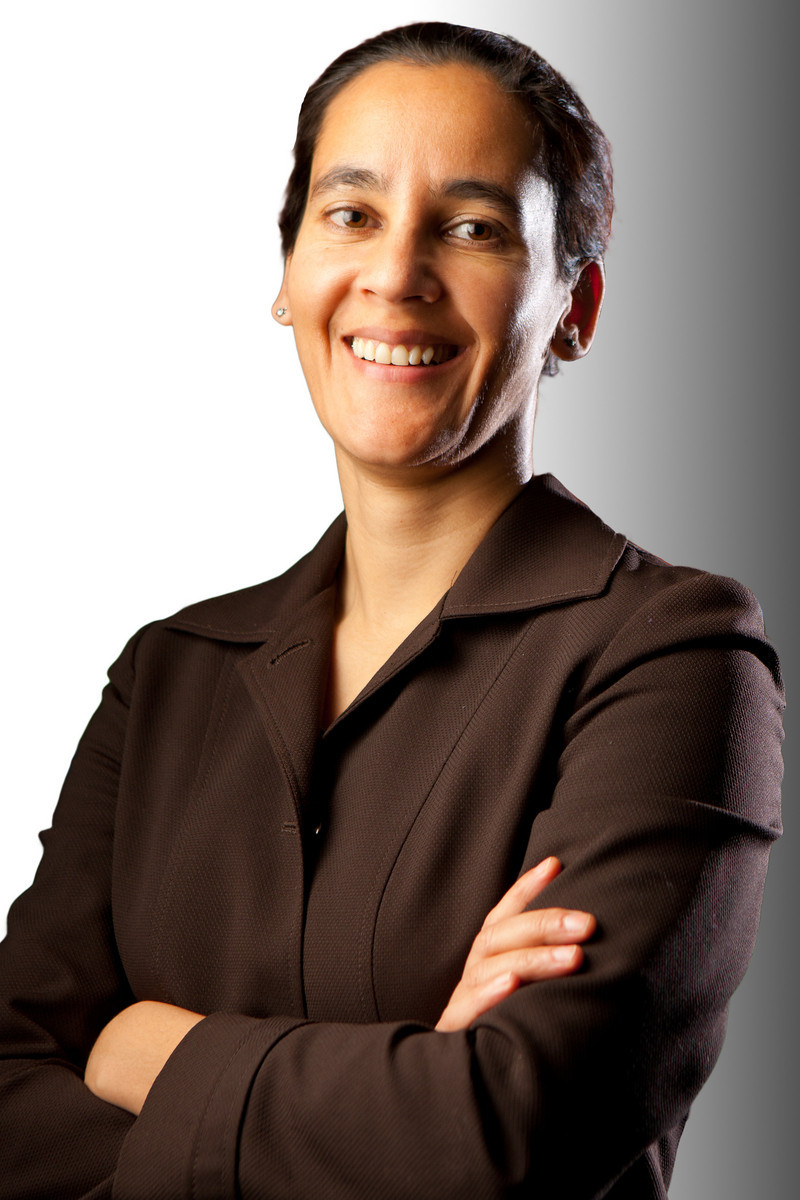
Samina Raja, PhD, principal investigator, University at Buffalo Food Lab. Photo: Douglas Levere

The cover of the October issue of the journal Built Environment, which focuses on food equity and features contributions from a number of UB affiliated researchers, including guest editors Samina Raja and Enjoli Hall.
BUFFALO, N.Y. — The University at Buffalo is helping drive the conversation within the planning community around how food systems can create broader social change.
Researchers from UB and Cardiff University were instrumental in creating a themed issue of the quarterly journal Built Environment. Published earlier this month, the issue focuses on food equity and comes at a time of increasing food-related scholarship within the planning and design disciplines.
“For people interested in planning, design and food, this is an important piece to read. Planners in the urban renewal era made colossal mistakes. This special issue is a warning against mistakes that could be made through food systems planning,” says Samina Raja, the lead guest editor for the issue.
Raja, PhD, is principal investigator of the UB Food Lab, officially known as the Food Systems Planning and Healthy Communities Lab and housed within the School of Architecture and Planning. As Raja explains, “a food system is the soil-to-soil system that enables food to travel from farm to plate.”
Raja’s co-editors are Enjoli Hall, an associate planner at the UB Regional Institute who previously worked in the Food Lab and received her master’s of urban planning from UB, and Kevin Morgan, professor of governance and development at Cardiff University.
The nine peer-reviewed articles in this issue — a majority of which are led by early career scholars — document how the planning and design disciplines contribute to inequities and injustices within food systems, Raja, Hall and Morgan note in their lead editorial, titled “Planning for Equitable Urban and Regional Food Systems.”
They point out three major oversights in planning practice:
- Efforts to strengthen food systems rarely confront the historical factors that have contributed to a community’s food system failures.
- Mainstream planning and design processes often overlook the voice of the marginalized people such planning efforts are intended to help.
- Food systems aren’t viewed as being a lever for broader social and economic change and equity.
“Too many folks interested in food systems fixate on the problems within the food system itself — for example, whether people have enough food to eat — but not on the power of the food system to connect to broader social problems such as poverty,” Raja says. “This special issue helps readers see the connections between food systems and other broader systems.”
The food equity issue is particularly special for UB’s Food Lab team, which engages in research that critically examines the role of local government policy in facilitating equitable, healthy and sustainable communities. “My research team tries to use the food system as a lever for social change,” explains Raja.
The broadening of UB’s work on food equity to a global arena has been facilitated by the creation of UB’s Community for Global Health Equity, which works with scholars, leaders, organizations and policymakers to affect systemic change, and community members around the world to promote health equity.
Articles cover a range of topics such as the importance of addressing inclusion in planning and design processes, the potential benefits of urban agriculture, and how rapid urbanization is creating unintended consequences in the food retail and food waste management sectors.
The issue features the work of several UB undergraduate and graduate students, as well as UB faculty and alumni.
UB contributors include: Martha Bohm, assistant professor of architecture; Alex Judelsohn, a master’s of urban planning graduate and Food Lab research associate; Isok Kim, assistant professor of social work; Aye Bay Na Sa, an undergraduate biomedical sciences student in UB's College of Arts and Sciences; Subhashni Raj, a doctoral candidate in urban and regional planning; Rosie DeVito, a graduate of the master’s of public health program in the School of Public Health and Health Professions; and Roberto Diaz Del Carpio, clinical assistant professor of medicine in the Jacobs School of Medicine and Biomedical Sciences.
This issue of Built Environment is available free of charge through the support of the National Institute of Food and Agriculture.
Media Contact Information
David J. Hill
Editor, UBNow
Tel: 716-645-4651
davidhil@buffalo.edu